|
How to Select and Use an Advanced Glass Cutting Machine for Precision
发表于 6 天前
|
最新回复 6 天前
|
来自于
Clarke County
楼主
|
The foundation of any high quality glass product is the initial cut, and in modern manufacturing, this process is dictated by the capability of your glass cutting machine. Whether you are creating bespoke architectural installations, automotive components, or delicate electronic glass, the precision of your equipment determines your material yield and operational profitability. As the industry shifts toward higher levels of automation and tighter tolerance requirements, understanding how to effectively choose, operate, and maintain your glass cutting machine is a vital skill for any professional. This article explores the technical advancements in cutting technology, the best practices for optimizing production efficiency, and the long term strategies for maintaining your equipment to ensure consistent, high caliber output.Analyzing the Technological Evolution of Glass Cutting Machinery The evolution of the glass cutting machine has been marked by a move away from manual scoring techniques toward highly sophisticated, computer driven systems. Modern machines utilize advanced CNC technology that allows for incredible accuracy, often within fractions of a millimeter. When evaluating a new glass cutting machine, one must look beyond the basic cutting head and consider the entire system architecture. For instance, integrated optimization software is now a standard requirement; this software arranges shapes on a sheet of raw glass to minimize waste, which directly impacts the bottom line of any business. High performance machines also utilize specialized suction cup loading systems and air cushion tables, which allow for the safe and efficient movement of fragile glass sheets. By understanding these technological components, you can better match a machine to your specific production needs. It is also important to consider the versatility of the machine, as the ability to handle various thicknesses and glass types without extensive setup changes is a massive advantage in a fast paced market where project specifications change daily. 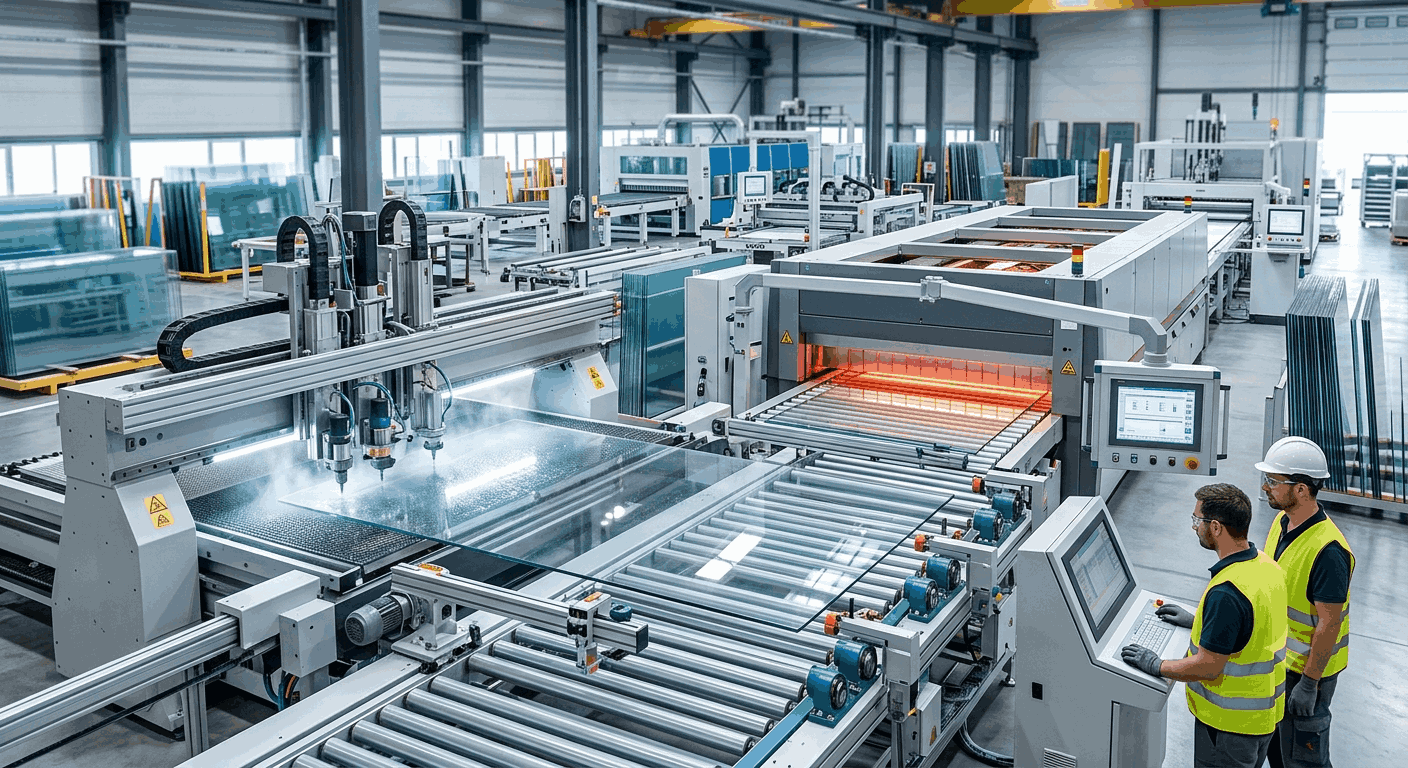 Optimizing Production Efficiency with Smart Cutting Practices Optimizing Production Efficiency with Smart Cutting PracticesAchieving high levels of efficiency with a glass cutting machine requires a combination of smart software usage and disciplined physical operations. One of the most effective ways to optimize your workflow is to prioritize the maintenance of the cutting tools themselves, specifically the diamond cutting wheel and the pressure settings. A dull wheel or incorrect pressure will result in poor edge quality, which requires extra steps in the grinding and polishing phase. By fine tuning these variables, you reduce the time and resources spent on secondary processing. Furthermore, the organization of your shop floor is paramount. A glass cutting machine should be positioned in a location that minimizes the distance raw materials travel before they reach the table. Implementing a pull system, where the machine pulls material based on immediate production needs rather than pushing it based on forecasts, can significantly reduce the potential for accidental breakage. Finally, do not overlook the importance of operator training. A skilled technician who understands how to troubleshoot minor software glitches or adjust for material variations can prevent hours of downtime. Empowering your team to master the nuances of the equipment is perhaps the most underrated strategy for increasing overall plant throughput. Proactive Maintenance and Ensuring Machine LongevityA glass cutting machine is a complex asset that operates under demanding conditions; therefore, a proactive maintenance culture is essential for longevity. Because glass produces fine, abrasive dust that can damage sensitive motors and guides, a rigorous cleaning schedule must be at the top of your priority list. Vacuum systems and regular wiping of the guide rails are essential daily tasks. In addition to cleaning, you should perform periodic inspections of the electrical components, particularly the cables and controllers, as these are often the first to fail under the heat and vibration of daily operations. Establishing a preventative maintenance log where you track the usage hours of every critical part, such as the rack and pinion or the cutting bridge, allows you to perform maintenance before a catastrophic failure occurs. Spare parts management is another critical aspect of this strategy. Keeping a curated inventory of items like replacement cutting heads, cables, and sensors on site will minimize your mean time to repair. By shifting your mindset from reactive fixing to proactive preservation, you ensure that your investment in a glass cutting machine continues to pay dividends for years to come. Conclusion and Advancing Your Production CapabilitiesThe pursuit of precision in glass manufacturing is a never ending process of improvement, and your glass cutting machine is the most critical tool in this effort. We have examined the importance of choosing the right technology, the methods for optimizing your production floor for maximum efficiency, and the necessity of a rigorous maintenance program to ensure your equipment remains in top working condition. The industry is constantly changing, and staying competitive requires a commitment to leveraging the best tools and the best practices available. We encourage you to evaluate your current cutting operations today. Are you utilizing the full potential of your software optimization features? Is your maintenance schedule as proactive as it needs to be? Take the time to audit your processes, address the small inefficiencies, and invest in the long term health of your machinery. Your dedication to excellence will not only result in a superior product for your clients but will also provide a stable and profitable foundation for your business. Start refining your approach today and lead your facility toward a future of consistent, high quality production. |
|